
If you’ve ever thought, “I should probably be doing more for retirement…” but then got overwhelmed five minutes later by the idea of retirement planning—you’re not alone.
Investing for retirement can feel confusing, intimidating, and honestly… kind of boring. But the right book can completely change that. It can give you a clear plan, help you avoid costly mistakes, and make you feel way more confident about your future.
I’ve seen the articles and headlines discussing why relying on social security benefits is not going to serve you long term, and unfortunately, it’s true.
You need to prepare for retirement on your own and view social security as a nice benefit.
This guide breaks down the best books on investing for retirement—whether you’re just getting started, catching up, or optimizing what you already have going.
Why Reading Investing Books Still Matters
Before we jump into the list, here’s the truth: there’s a LOT of financial advice online. TikTok, podcasts, blogs (yes, even this one).
But books? They go deeper. Learning more about the stock market, and developing your own financial literacy will never hurt you. In fact, if you are on the starting point to becoming an intelligent investor, reading investing books will help you navigate important decisions when they come up….and they will!
I find that the best retirement investing books help you:
- Understand long term strategy (not just quick tips)
- Provide practical advice helping you build a investment portfolio with income streams
- Build confidence in your decisions
- Avoid emotional investing mistakes
- Build up solid retirement accounts and provide long term financial security
- Create a proven plan you’ll actually stick to
If your goal is financial independence, early retirement, or just not stressing about money later—these books are a solid place to start.
The Millionaire Next Door- Thomas J. Stanley
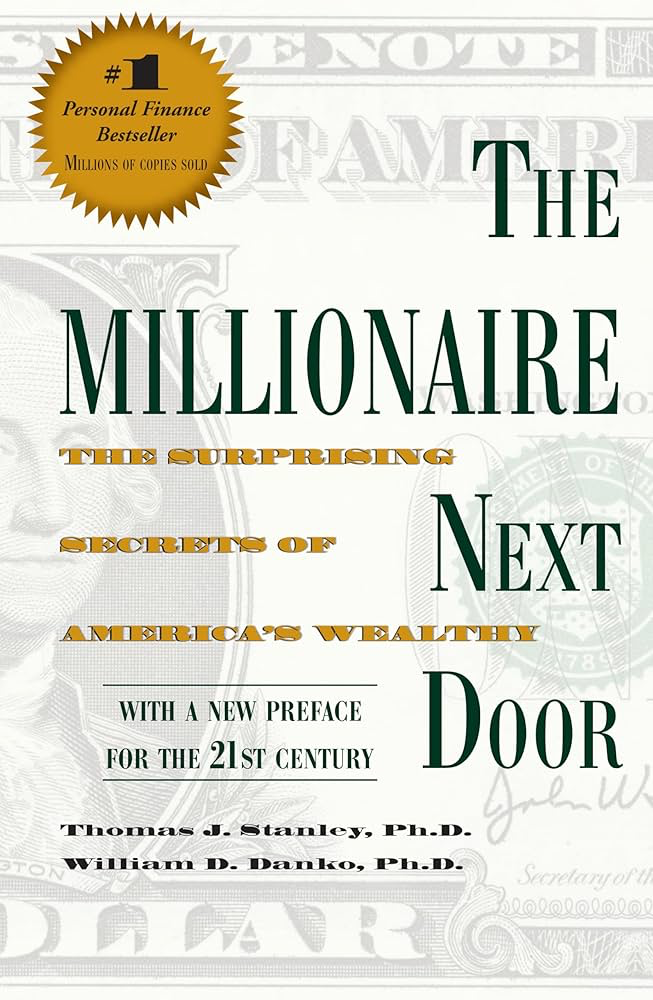
If you’ve ever wondered what real wealth looks like (hint: it’s not flashy), this book will completely shift your perspective.
The Millionaire Next Door is based on extensive research into the habits of actual millionaires—and what they found might surprise you. This was one of the first personal finance books I read and I loved it.
Why it’s great:
Most millionaires don’t look like millionaires.
They’re not driving luxury cars or living in massive mansions. Instead, they:
- Live below their means
- Prioritize saving and investing
- Avoid lifestyle inflation
- Build wealth quietly over time
Key takeaway:
Wealth isn’t about how much you make—it’s about how much you keep and invest.
Why it matters for retirement:
This book reinforces one of the biggest truths in retirement planning:
Your daily habits matter more than your income.
You don’t need a massive salary to retire comfortably—you need consistency, discipline, and smart financial decisions over time.
This is one of the best personal finance books for retirement mindset and wealth building.
The Simple Path to Wealth – JL Collins
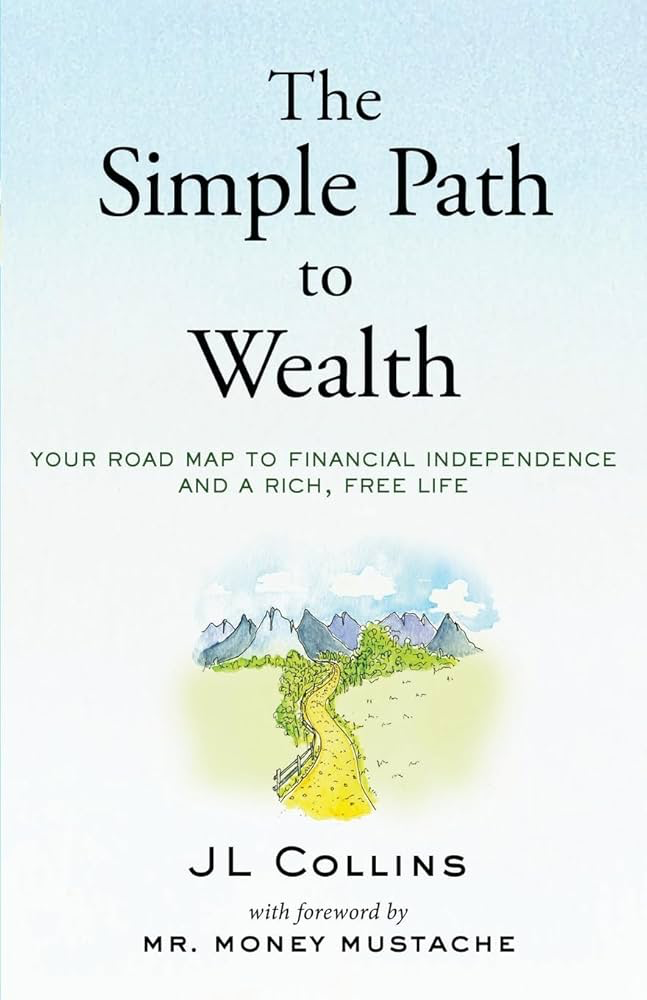
Let’s start with one of the most recommended books in the FIRE (Financial Independence, Retire Early) community.
Why it’s great:
This book simplifies investing in a way that feels doable—even if you’ve never invested before.
The Simple Path to Wealth focuses heavily on:
- Index fund investing
- The power of compound interest
- Why simplicity often beats complexity when it comes to your retirement goals
Key Takeaway:
You don’t need a complicated strategy to build wealth. A simple, consistent approach using low-cost index funds can take you very far.
If you’re looking for a beginner investing book for retirement, start here.
The Bogleheads’ Guide to Investing – Taylor Larimore, Mel Lindauer, Michael LeBoeuf
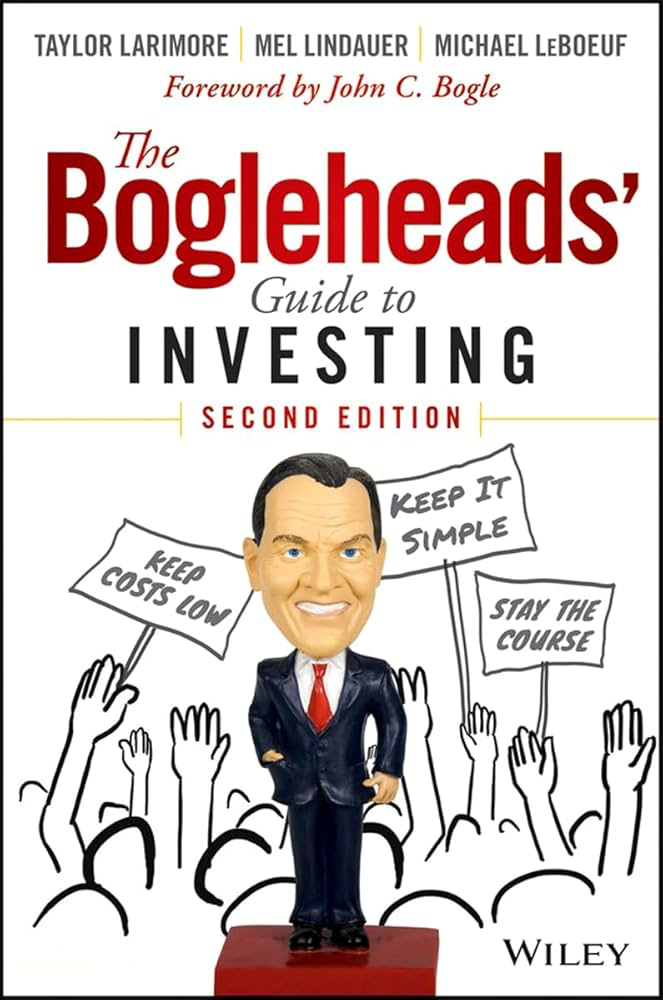
If you want something a bit more structured—but still beginner-friendly—this is a great next step that provides a practical guide.
Why it’s great:
The Bogleheads’ Guide To Investing was inspired by John C. Bogle (the founder of Vanguard), this book lays out a clear investing strategy with a three fund portfolio recommendation.
It covers:
- Asset allocation
- Diversification
- Tax-efficient investing
- Retirement account strategies (like 401(k)s and IRAs)
Key Takeaways:
A simple “three-fund portfolio” can give you broad market exposure with minimal effort.
One of the best long-term investing books for retirement planning.
I Will Teach You to Be Rich – Ramit Sethi
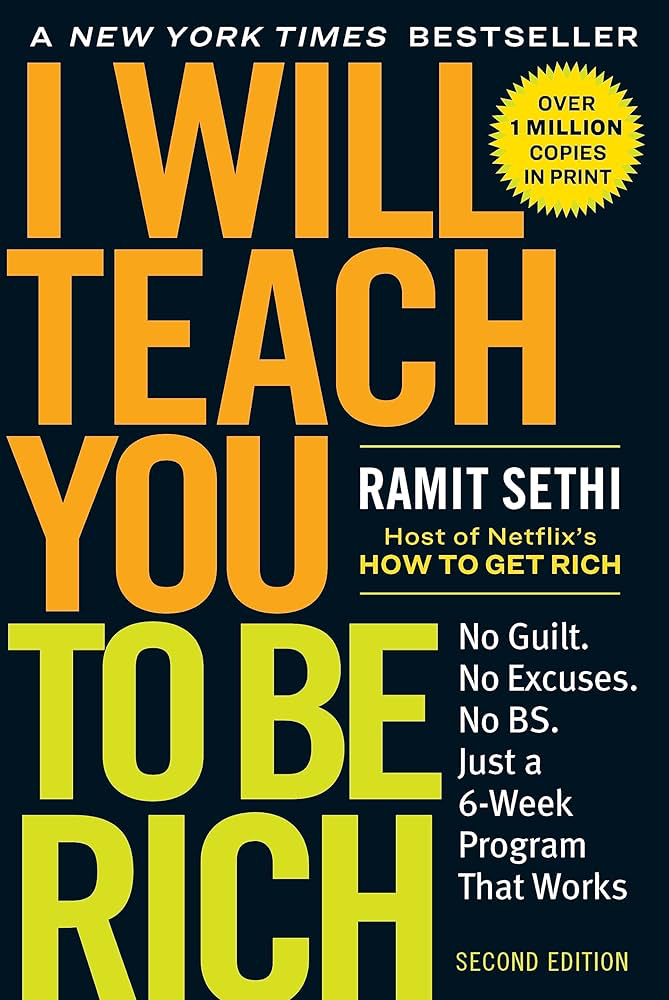
Don’t let the title throw you—this book is surprisingly practical and not scammy.
I Will Teach You to Be Rich is especially great if you:
- Feel overwhelmed by money decisions
- Want a step-by-step system with straightforward strategies
- Like automation (set it and forget it)
Why it’s great:
It combines budgeting, saving, and investing into one clear plan—perfect for building a retirement foundation.
Key Takeaway:
Automating your finances is one of the easiest ways to stay consistent with investing.
Great for millennials looking for an informative guide to building their retirement investing strategy.
The Psychology of Money – Morgan Housel
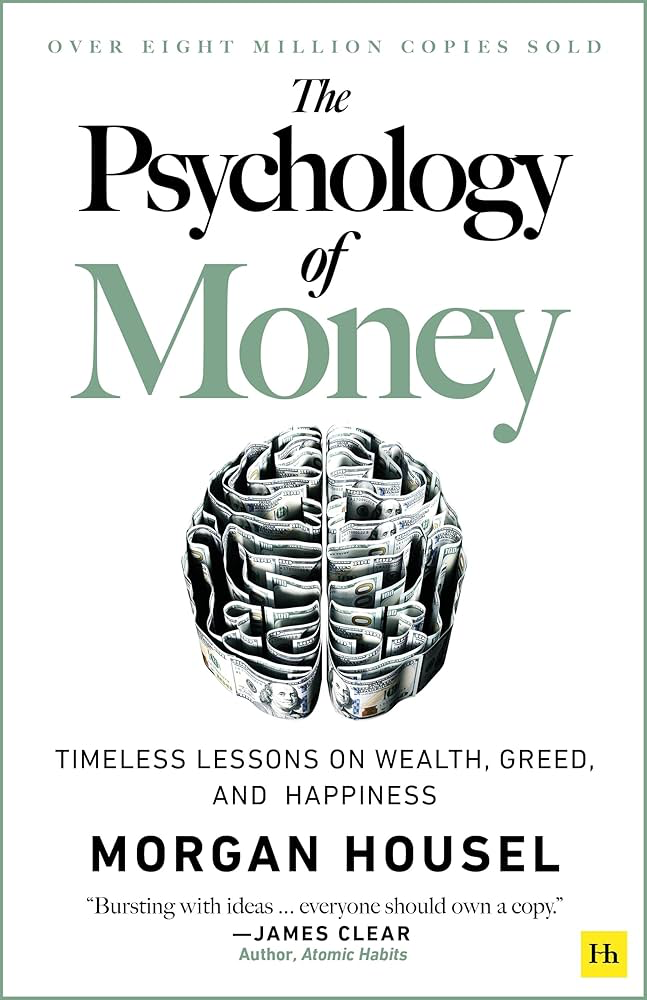
This isn’t a traditional “how to invest” book—but it might be the most important one on this list.
The Psychology of Money focuses on how your behavior impacts your financial success.
Why it’s great:
Because investing isn’t just about numbers—it’s about:
- Patience
- Discipline
- Personal growth
- Avoiding panic during market downturns (gotta take care of that mental health!)
Practical Tip:
Your behavior matters more than your strategy.
A must-read if you want to actually stick with your retirement investing plan.
A Random Walk Down Wall Street – Burton G. Malkiel
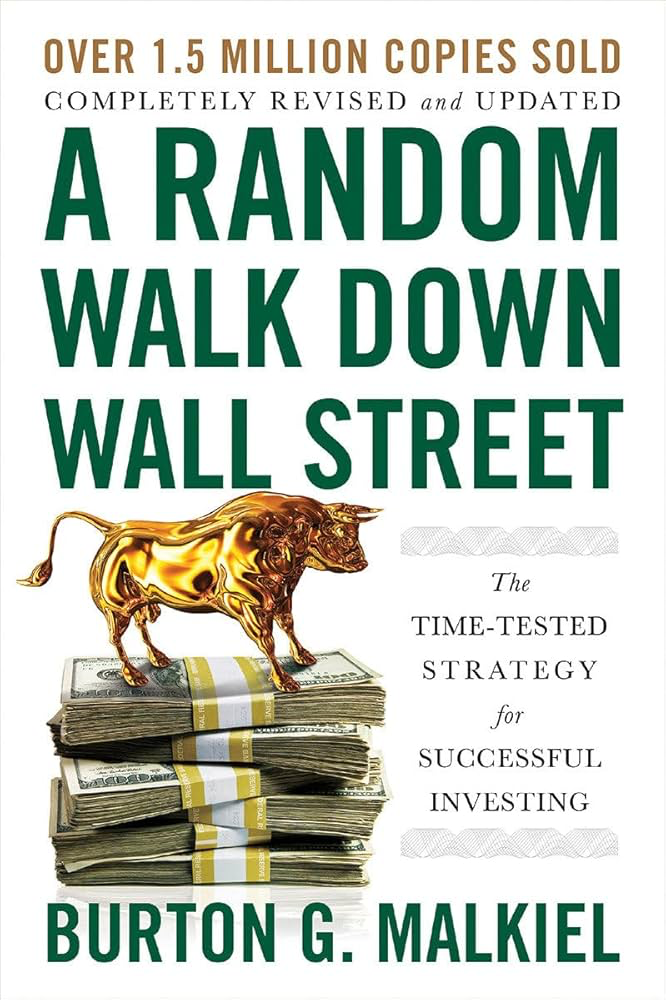
This one is a classic—and for good reason.
A Random Walk Down Wall Street explains why trying to “beat the market” is incredibly difficult.
Why it’s great:
It dives into:
- The efficient market hypothesis
- Why stock picking often fails
- The benefits of index funds
Practical Tip:
Consistently beating the market is nearly impossible—so it’s better to own the market.
One of the best investing books for beginners and retirement planning.
The Little Book of Common Sense Investing – John C. Bogle
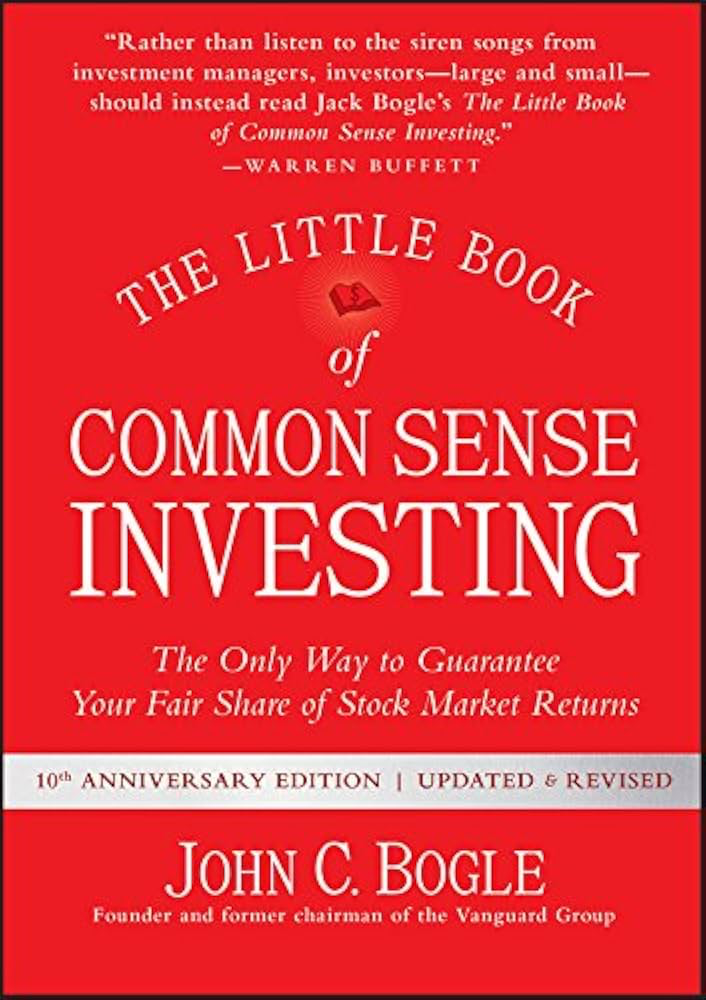
Another classic from John C. Bogle himself.
Why it’s great:
The Little Book of Common Sense Investing reinforces a simple but powerful idea for structuring your retirement portfolio:
Low-cost index funds outperform most actively managed funds over time.
Key takeaway:
The most important thing you’ll learn from this book is that fees matter—a LOT. Even small percentages can eat into your retirement savings over decades.
Essential reading for anyone serious about retirement investing.
Retire Before Mom and Dad – Rob Berger
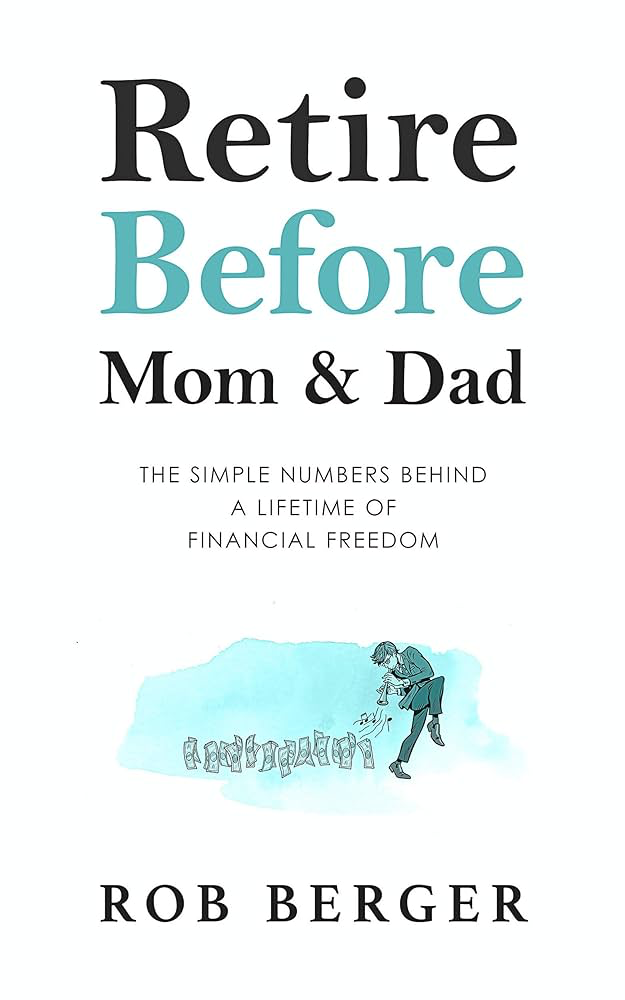
If early retirement and financial independence is your goal, this one is for you.
Retire Before Mom and Dad focuses on building wealth efficiently and optimizing your strategy.
Why it’s great:
It covers:
- Savings rates
- Investment strategies
- Tax optimization
- Withdrawal strategies in retirement
Key takeaway:
Retirement isn’t just about saving—it’s about strategy.
Great for those interested in financial independence and early retirement (FIRE).
Your Money or Your Life – Vicki Robin & Joe Dominguez
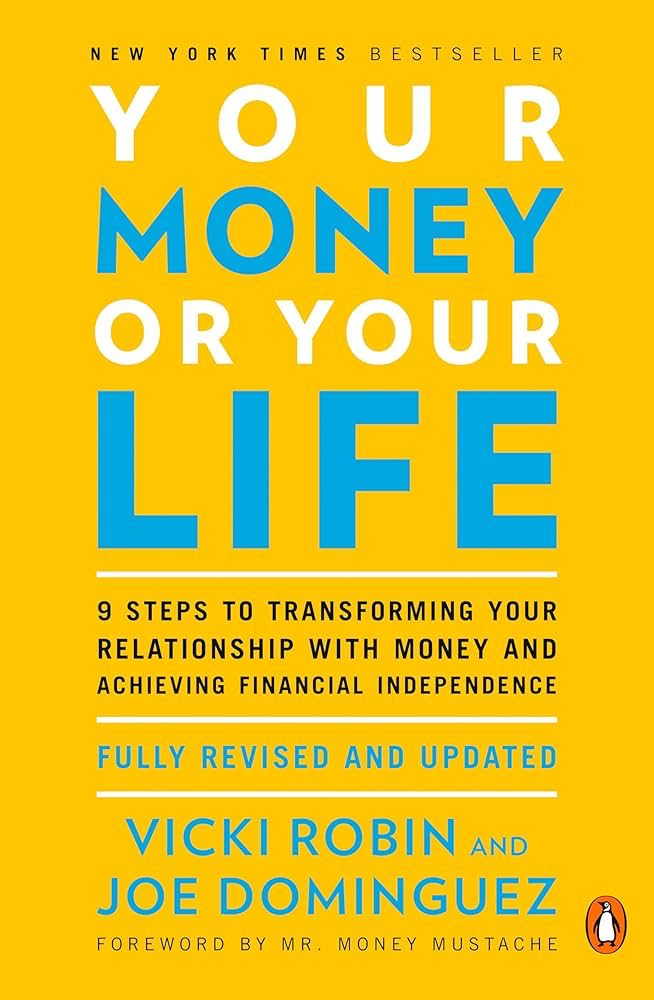
This book takes a more philosophical approach to money—but it’s powerful.
Your Money or Your Life helps you rethink:
- Your relationship with money
- Spending habits
- What “enough” really means
Why it’s great:
It aligns your financial decisions with your values—which is key for long-term success.
Key takeaway:
Building wealth isn’t just about more money—it’s about a better life.
Ideal for those wanting intentional retirement planning.
How to Choose the Right Investing Book for You
Here’s the thing—you don’t need to read all of these at once.
Instead, pick based on where you are:
If you’re a beginner:
- The Simple Path to Wealth
- I Will Teach You to Be Rich
If you want strategy:
- The Bogleheads’ Guide to Investing
- A Random Walk Down Wall Street
If you struggle with consistency:
- The Psychology of Money
If you want early retirement:
- Retire Before Mom and Dad
Common Lessons/Themes Across the Best Retirement Investing Books
No matter which book you choose, you’ll notice some consistent advice:
1. Start early (but it’s never too late)
Compound interest is your best friend—but starting now still matters.
2. Keep it simple
You don’t need complicated strategies or constant trading.
3. Use low-cost index funds
Fees can quietly destroy your long-term returns.
4. Stay consistent
Investing isn’t about timing the market—it’s about time in the market.
5. Control your behavior
Emotional decisions are one of the biggest threats to your portfolio.
Final Thoughts: You Don’t Need to Be Perfect—Just Consistent
If retirement investing has felt overwhelming, here’s your reminder:
You don’t need to:
- Pick the perfect stocks
- Time the market
- Have everything figured out
You do need to:
- Start
- Stay consistent
- Keep learning
And honestly? Even reading just one of these books can put you ahead of most people.
-Whitney
